Rome faces a relatively low but not negligible earthquake risk, especially when compared with the far more hazardous mountainous regions of central and southern Italy. The Italian capital sits away from the most active fault zones, and strong shaking originating directly beneath the city is uncommon. However, Rome lies close enough to the seismically active Apennine mountains to the east that large earthquakes there can be felt in the city, and parts of Rome are built on soft alluvial sediments along the Tiber that can amplify distant shaking. There is also modest local seismic and volcanic activity in the nearby Alban Hills.
Earthquakes in Rome

Advertisement
Latest quakes in this area
- Loading…
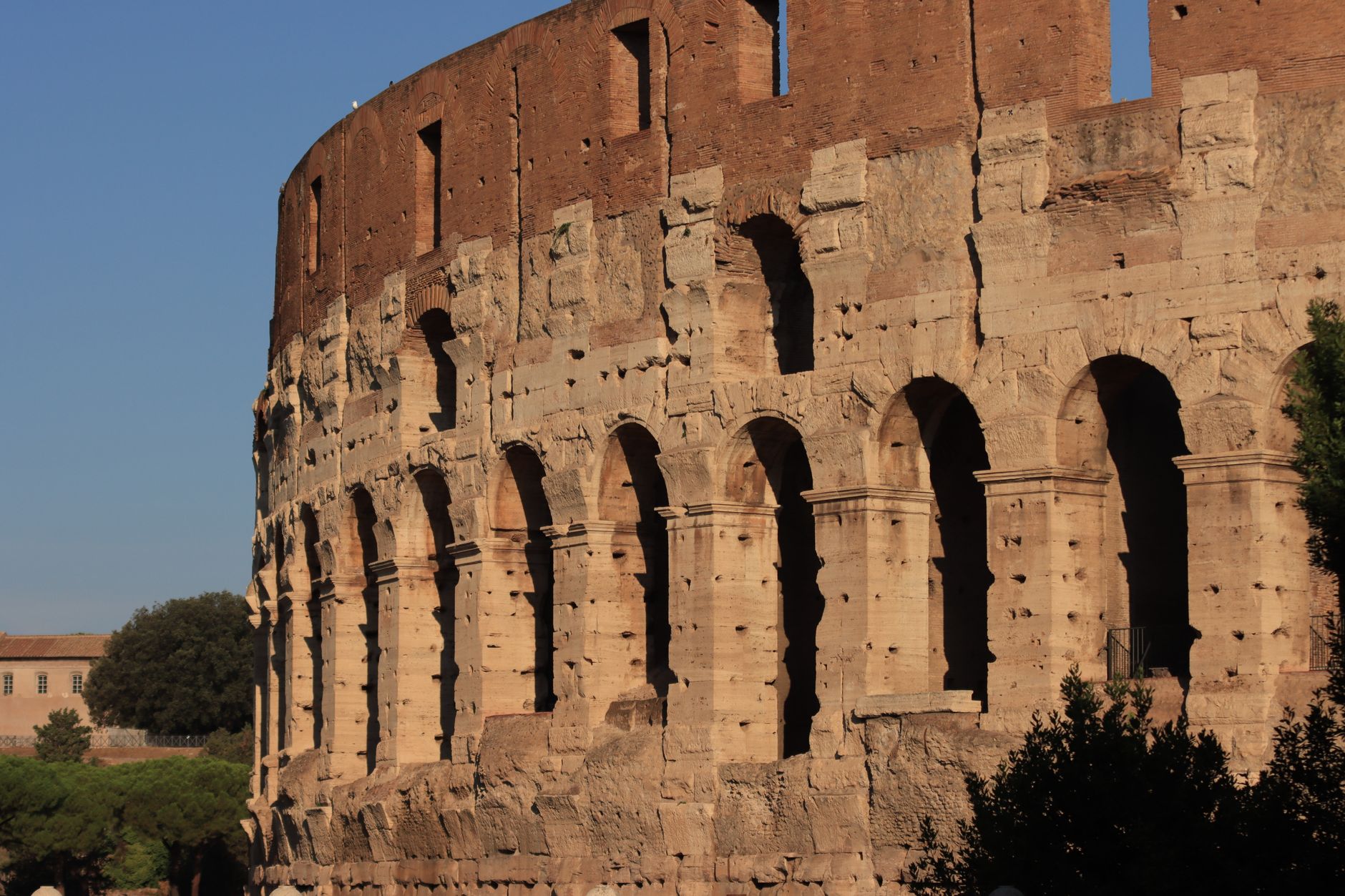
History shows Rome is not immune. The city was shaken by distant Apennine earthquakes on many occasions, and tremors are thought to have contributed over the centuries to damage at monuments such as the Colosseum, whose partially collapsed outer wall is linked in part to medieval quakes. In modern times, the deadly earthquakes that struck L'Aquila in 2009 (magnitude 6.3) and the Amatrice-Norcia sequence in 2016, all in the Apennines less than 100 kilometers away, were clearly felt in Rome and caused alarm, though little structural damage in the capital itself. Italy enforces seismic building codes, and while Rome's everyday risk is comparatively modest, residents and visitors should still know basic earthquake safety.
See also
Advertisement