Yes, Guatemala City is a high-risk seismic zone. The country sits at a complex intersection of tectonic plates: to the south, the Cocos plate subducts beneath the Caribbean plate, while the Motagua and Chixoy-Polochic fault system cuts across the country, marking the boundary between the North American and Caribbean plates. This convergence makes Guatemala one of the most seismically active countries in Central America.
Is Guatemala City a Seismic Zone? Earthquake Risk Explained
Advertisement
Latest quakes in this area
- Loading…
The earthquake of 4 February 1976, magnitude 7.5, generated by the Motagua fault, was a national catastrophe: it killed more than 23,000 people, injured tens of thousands and left over a million homeless, with enormous damage in the capital and surrounding areas. Beyond shallow fault ruptures, the city also feels large subduction earthquakes from the Pacific coast and quakes of volcanic origin.
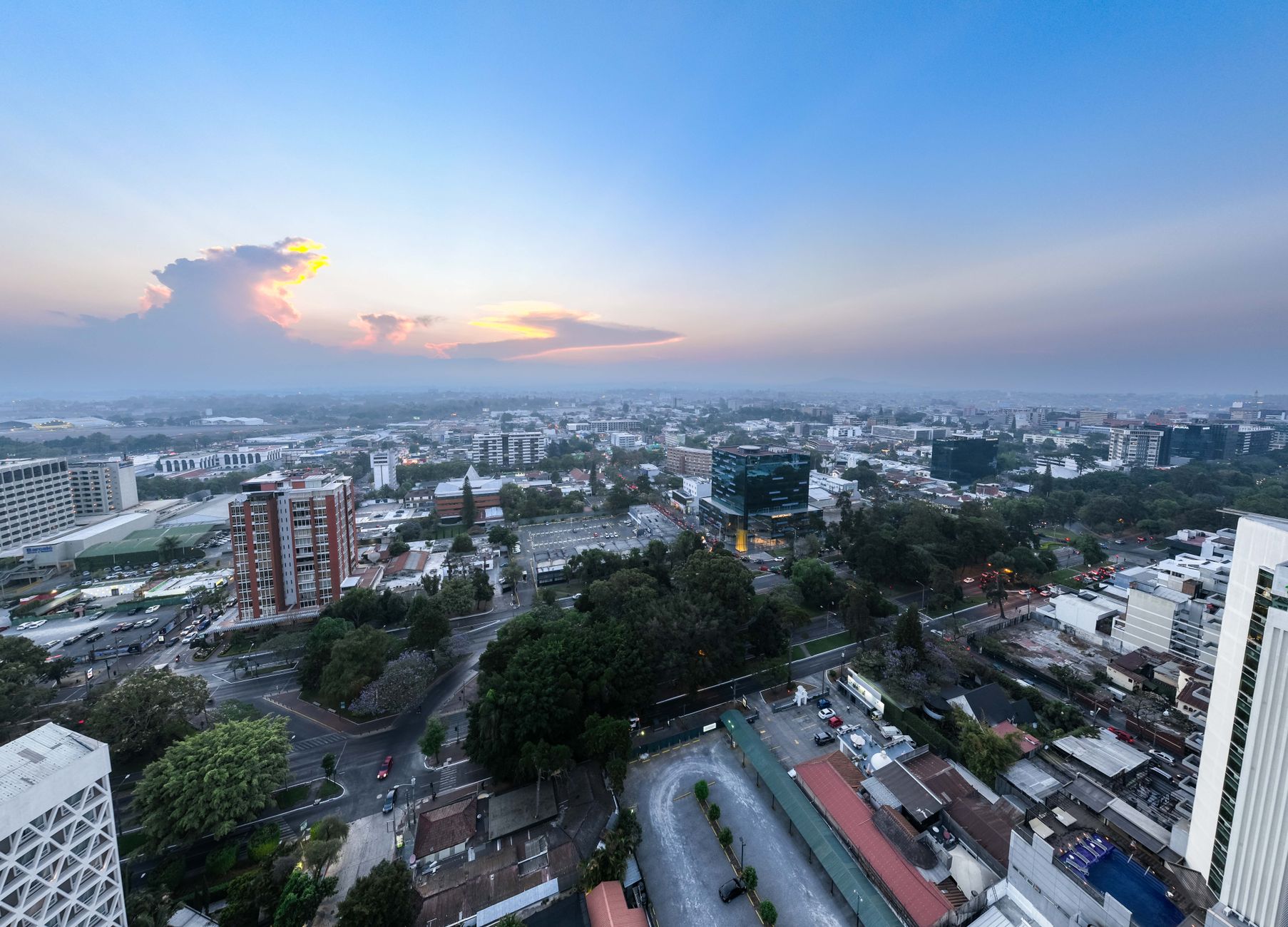
Because of its proximity to the Motagua fault and the Cocos subduction zone, Guatemala City is classified in a high seismic-hazard zone. Volcanic-ash soils in the valley amplify seismic waves, making earthquake-resistant building codes, construction quality and emergency preparedness essential for a densely populated capital.
See also
Advertisement