Yes, Guayaquil is a high-risk seismic zone. Ecuador's largest city sits on the Pacific coast within the Ring of Fire, where the Nazca plate subducts beneath the South American plate. Its proximity to this major earthquake source, combined with the nature of its soils, makes it one of the most exposed cities in Ecuador to seismic hazard.
Is Guayaquil a Seismic Zone? Earthquake Risk Explained
Advertisement
Latest quakes in this area
- Loading…
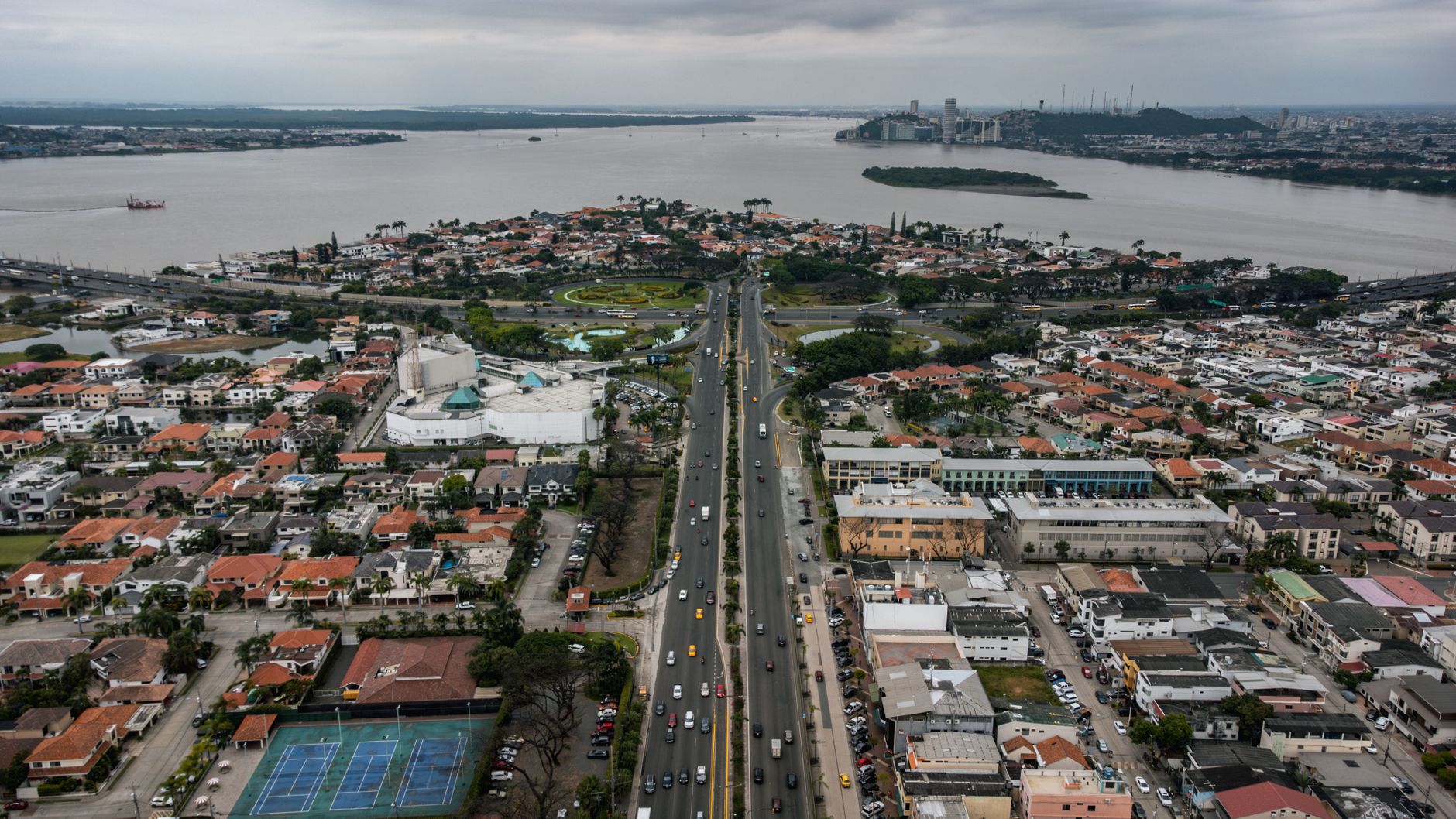
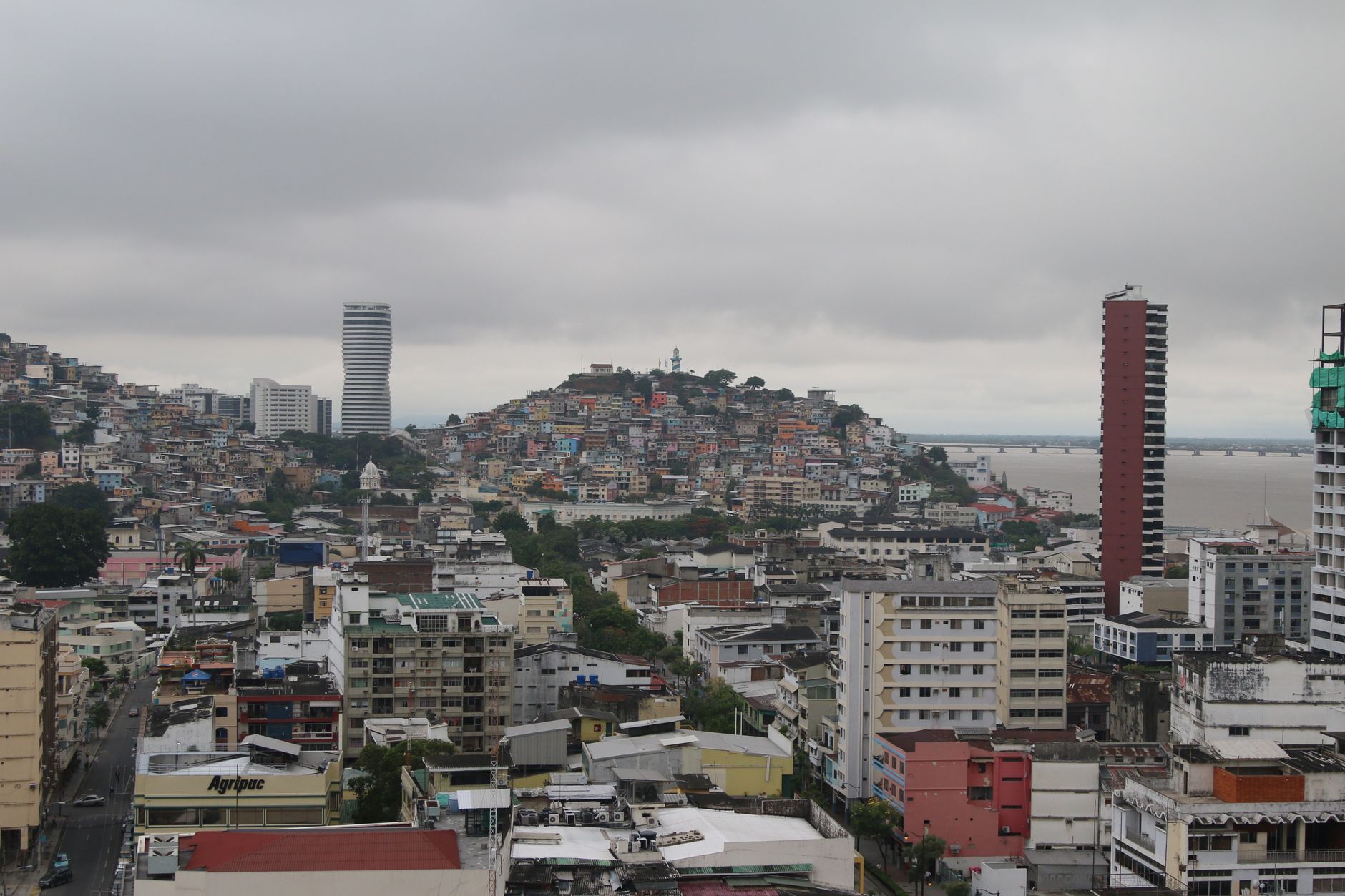
The geological setting combines subduction hazard with an aggravating local factor. Off Ecuador's coast, the Nazca plate periodically generates very large earthquakes that are felt strongly in Guayaquil. Much of the city is also built on soft, deltaic, water-saturated soils tied to the Guayas River and former estuaries; this ground significantly amplifies seismic waves and can undergo liquefaction, where soil loses strength during strong shaking, magnifying the damage to buildings.
History confirms this vulnerability. The great 1906 earthquake off the coast of Esmeraldas (magnitude near 8.8) was one of the most powerful ever recorded and affected the entire Ecuadorian coast. In 2016, the Pedernales earthquake (magnitude 7.8) caused building collapses and fatalities in Guayaquil despite the distance from the epicenter, precisely because of its soft-soil amplification effect. The city continues to strengthen its building codes and emergency plans, but living with earthquake risk remains part of everyday life in Guayaquil.
See also
Advertisement