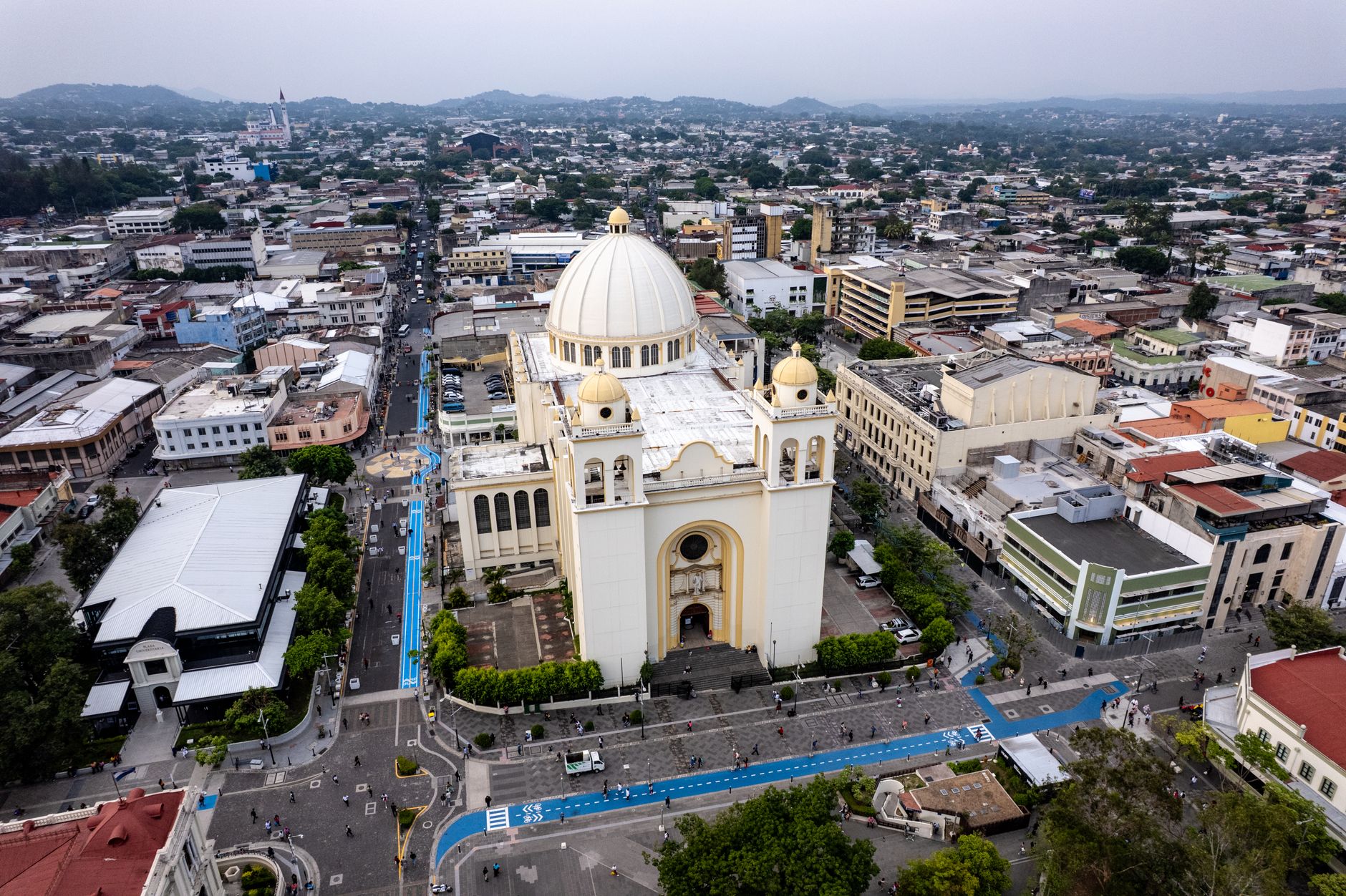
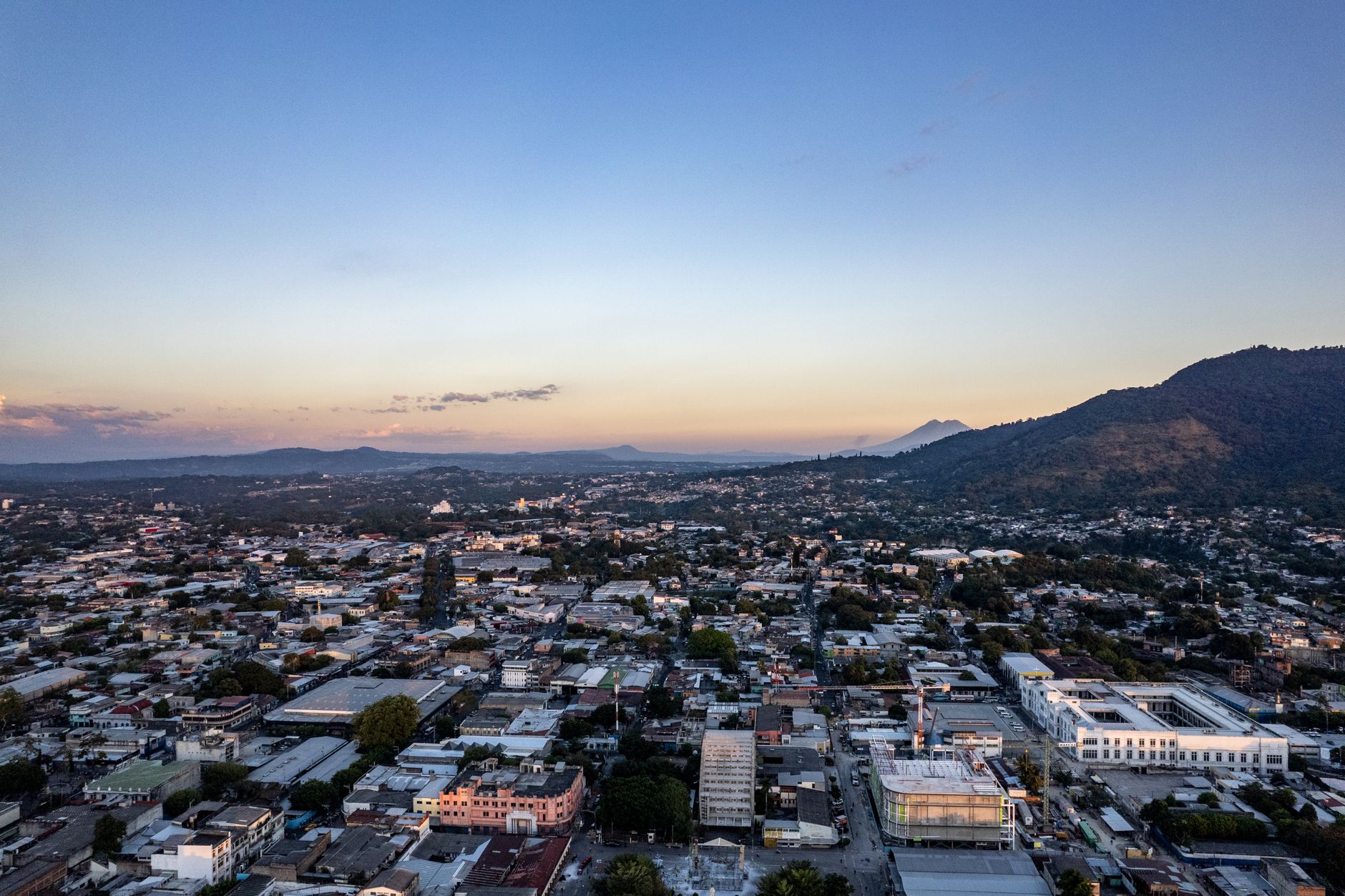
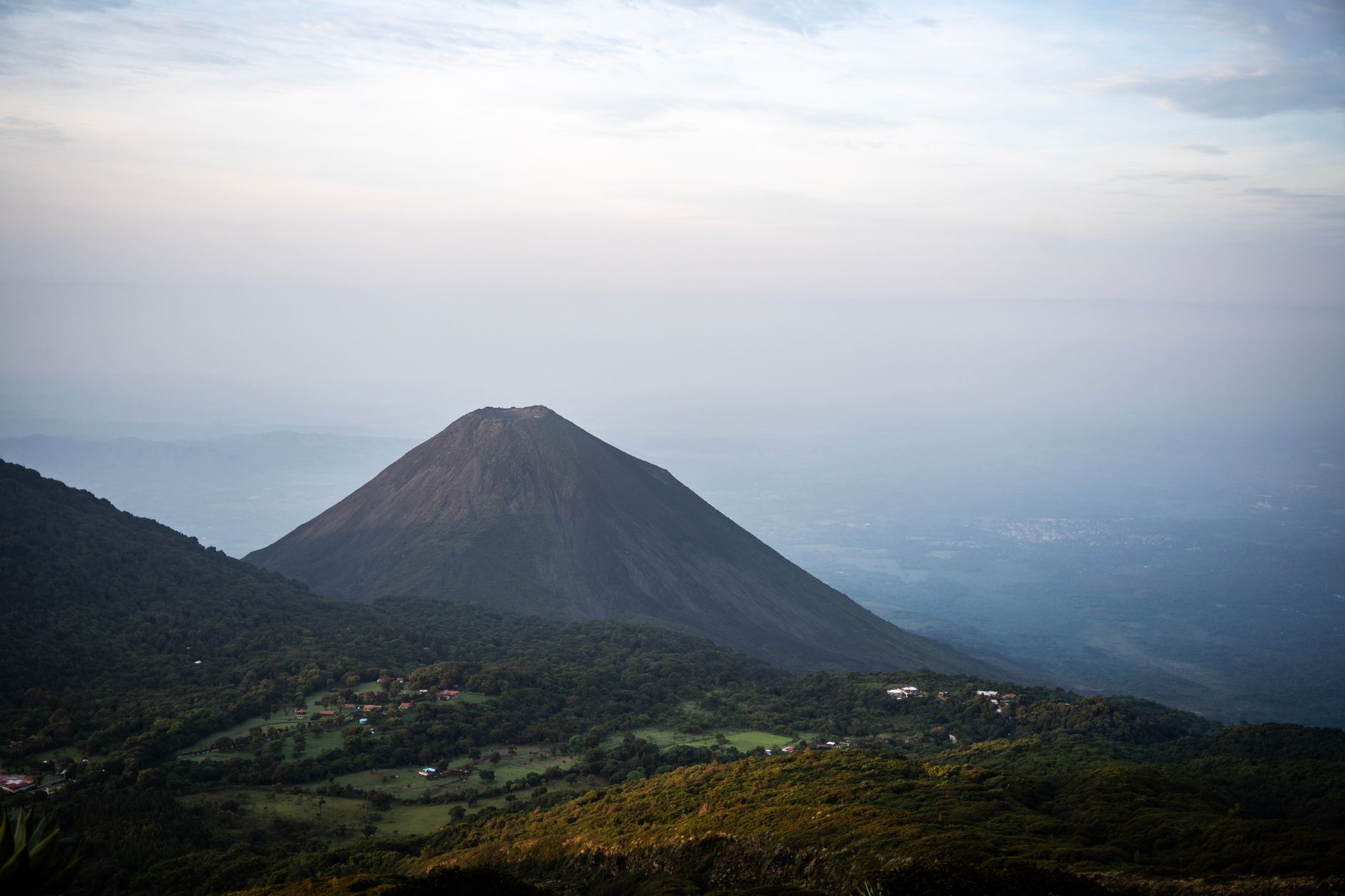
Yes. San Salvador, the capital of El Salvador, carries high earthquake risk and is one of Central America's most exposed capitals. The country sits above the subduction zone where the Cocos plate dives beneath the Caribbean plate, and it is also crossed by a chain of volcanoes and local crustal faults. This double source of seismicity — offshore subduction and shallow faults close to the city — is what has historically struck the capital hardest.
Earthquakes in San Salvador, El Salvador: Live Map & 2001 Twin Quakes
Advertisement
Latest quakes in this area
- Loading…
The year 2001 was especially devastating: on 13 January, a magnitude 7.7 subduction earthquake caused hundreds of deaths and massive landslides, and barely a month later, on 13 February, a magnitude 6.6 shallow crustal earthquake with an epicentre very close to San Salvador caused further serious damage. The city had already been partly destroyed by earlier earthquakes, including the shallow, magnitude 5.7 quake of 1986.
Because of this combination of Cocos-plate subduction and nearby volcanic faults, San Salvador is classified as a high seismic-hazard zone. Volcanic soils and hillside neighbourhoods amplify the risk of landslides during earthquakes, making strict compliance with seismic building codes and a strong culture of preparedness essential.
See also
Advertisement